Wei's Research Explores Competition on Surplus Food Platforms
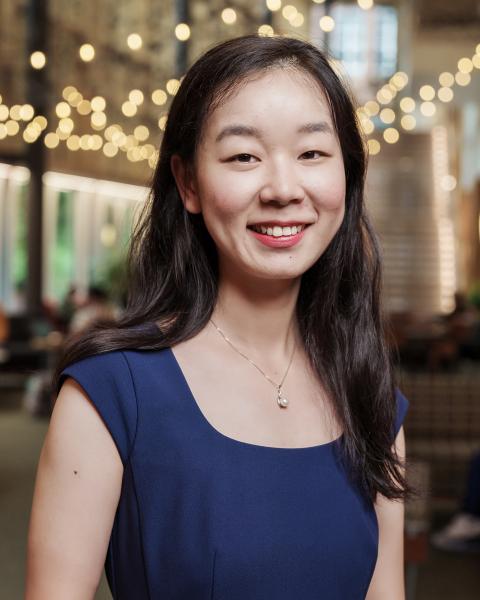
New research from Paul College assistant professor Wei Wei examines how competition among retailers using surplus food platforms can influence profits, consumer benefits and food waste.
Wei, an assistant professor of decision sciences, and co-author Zhangchen Hu, an assistant professor at California State University, Fullerton, recently published their study, “From Store to Surplus Food Platform: Implications of Competition in Quantity-Based Sales,” in Decision Sciences, a leading operations management journal.
The study examines surplus food platforms such as Too Good To Go and Xishi Magic Bag, where retailers sell discounted bags containing surplus food at the end of the day. Wei and Hu explored how competition among participating retailers affects their pricing and decisions about how much food to sell through the platforms.
Their findings show that competition can benefit multiple stakeholders. Under certain market conditions, it can increase retailer profits and consumer surplus while reducing food waste.
However, more competition does not always produce better results. As competition intensifies, retailer profits can decline while consumer surplus increases. Food waste can also initially decrease before beginning to rise again.
The research identifies a platform’s discount rate as an important tool for managing those trade-offs. In highly competitive markets, adjusting discount rates based on local market conditions and consumer demand can help mitigate unintended increases in food waste while improving outcomes for retailers.
Overall, the findings offer practical guidance for surplus food platforms as they expand, demonstrating that adding more participating retailers does not necessarily lead to better economic and sustainability outcomes.

